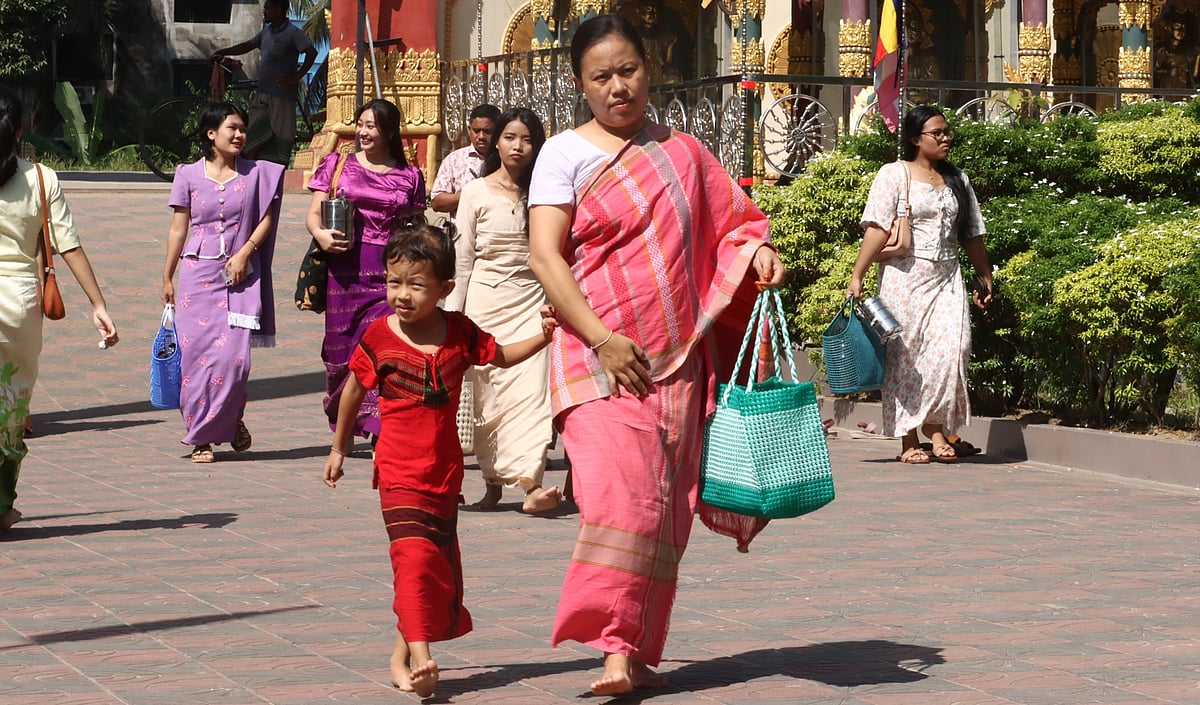
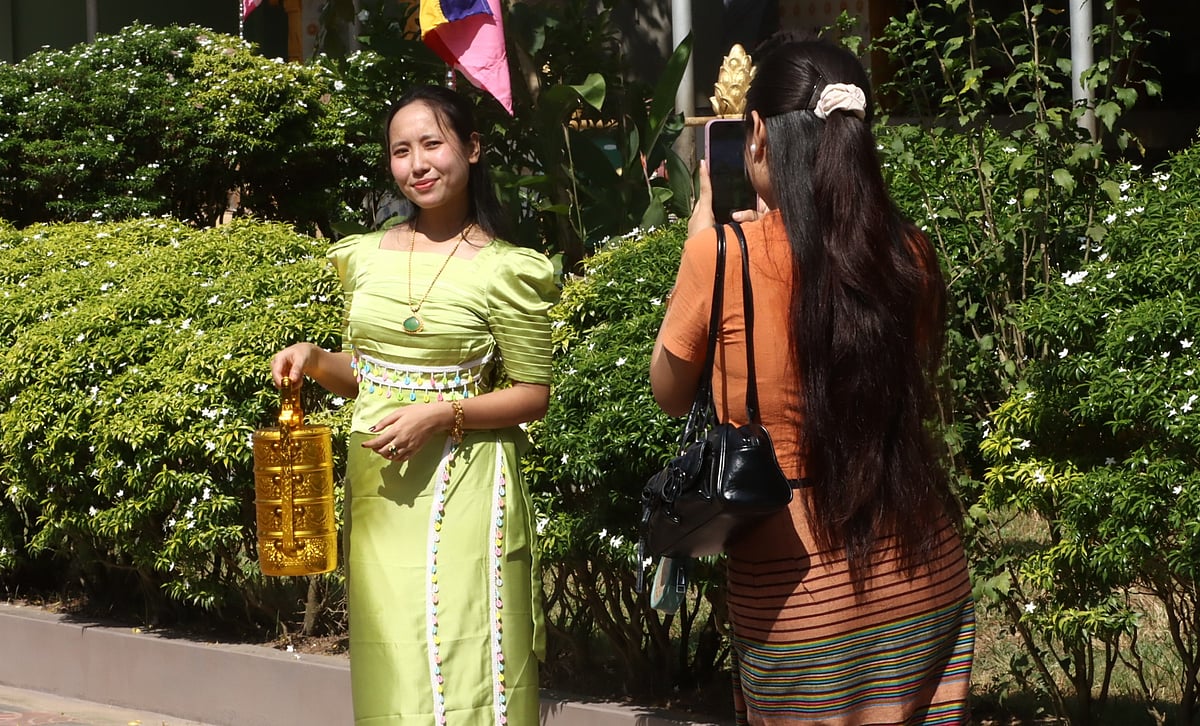
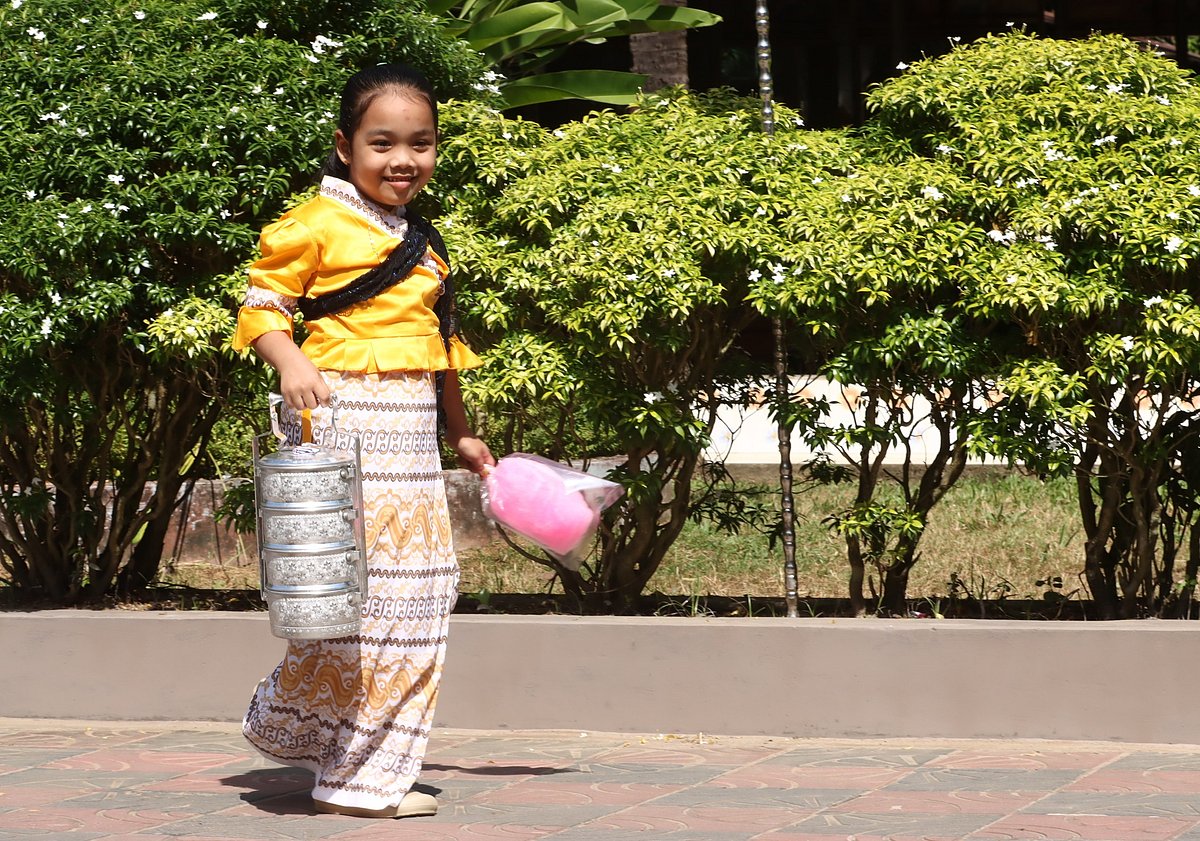
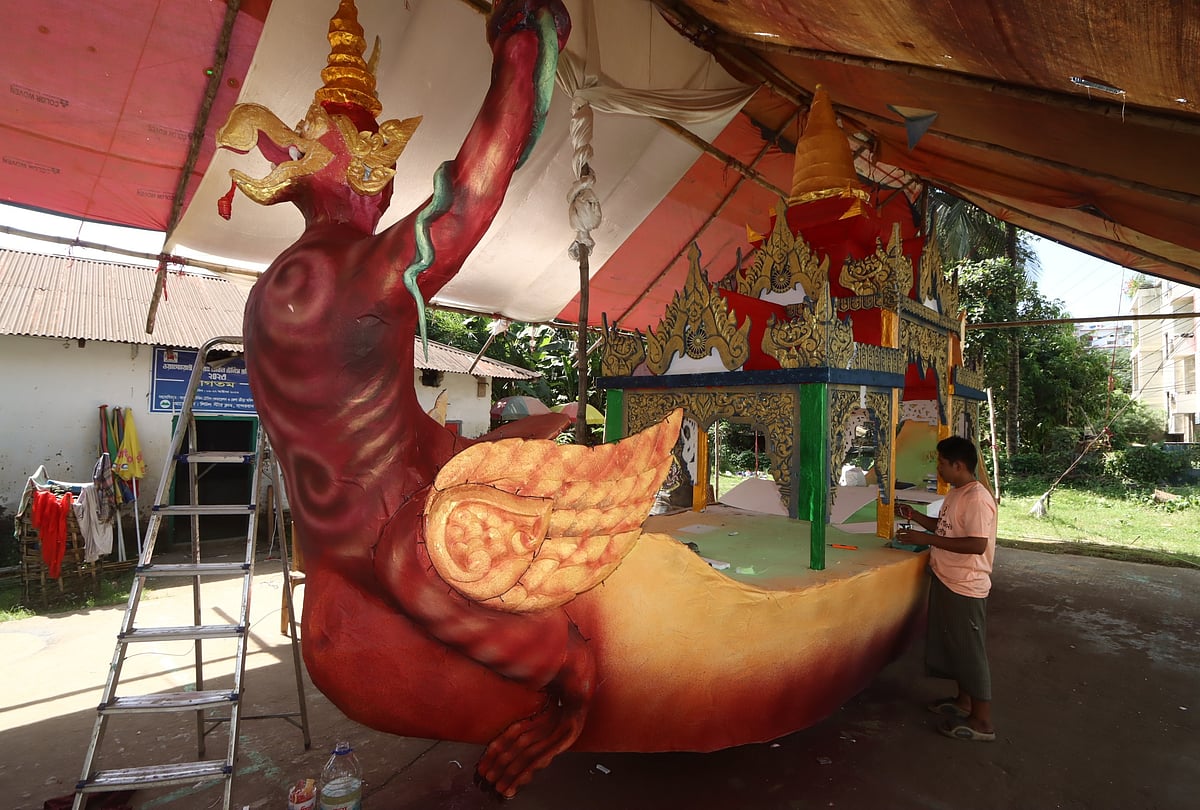
The Marma community in Bandarban celebrated their traditional festival ‘Maha Wa Ggyo Wai Pwe’, also known as Probarona Purnima with deep devotion and vibrant celebrations. It is the second-largest religious and social festival of the Buddhist Marma community. In the Marma language, ‘Wa Ggyo Wai’ means Probarona Purnima, while ‘Pwe’ means festival.
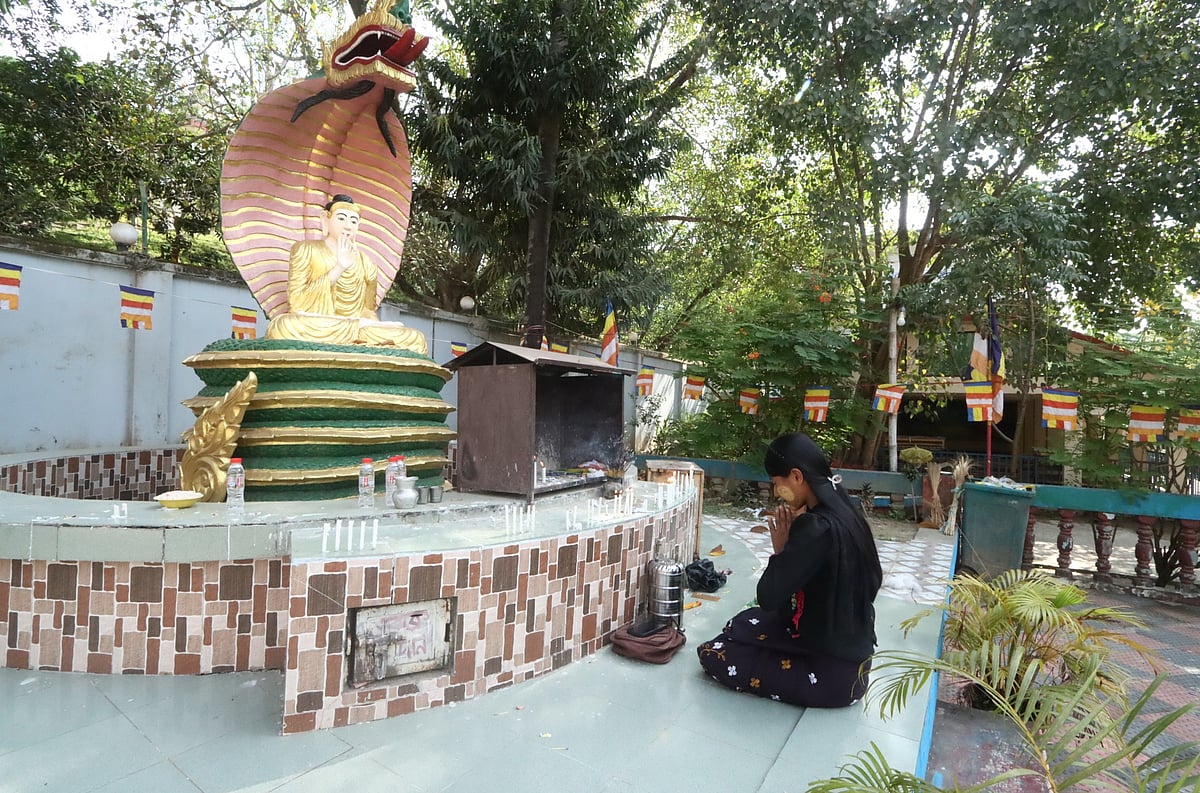
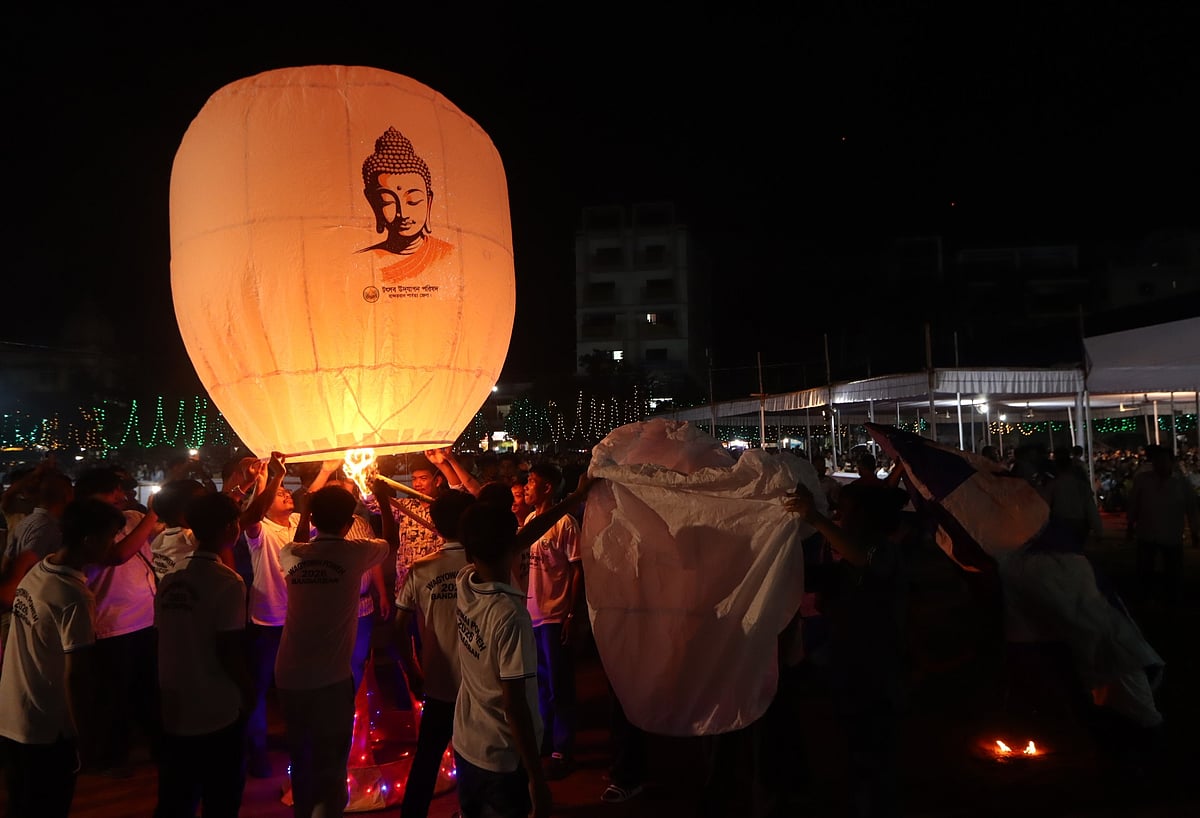
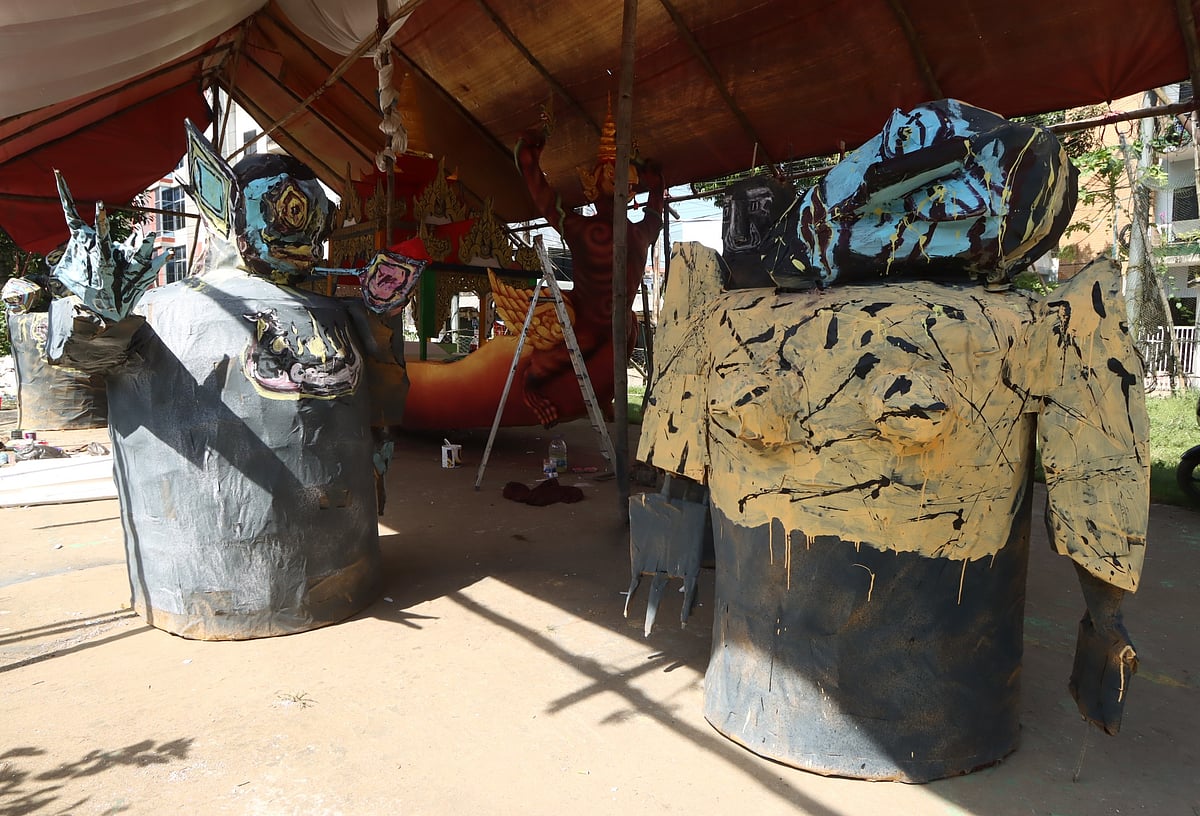
As in previous years, the community observed the occasion through sacred rituals including the ceremonial bathing of Buddha statues, a traditional auspicious chariot procession (Mangal Rath Yatra), display of deity effigies (Pochoma), lighting of oil lamps, releasing colorful sky lanterns (fanush), and taking the five precepts (Pancha Sila).
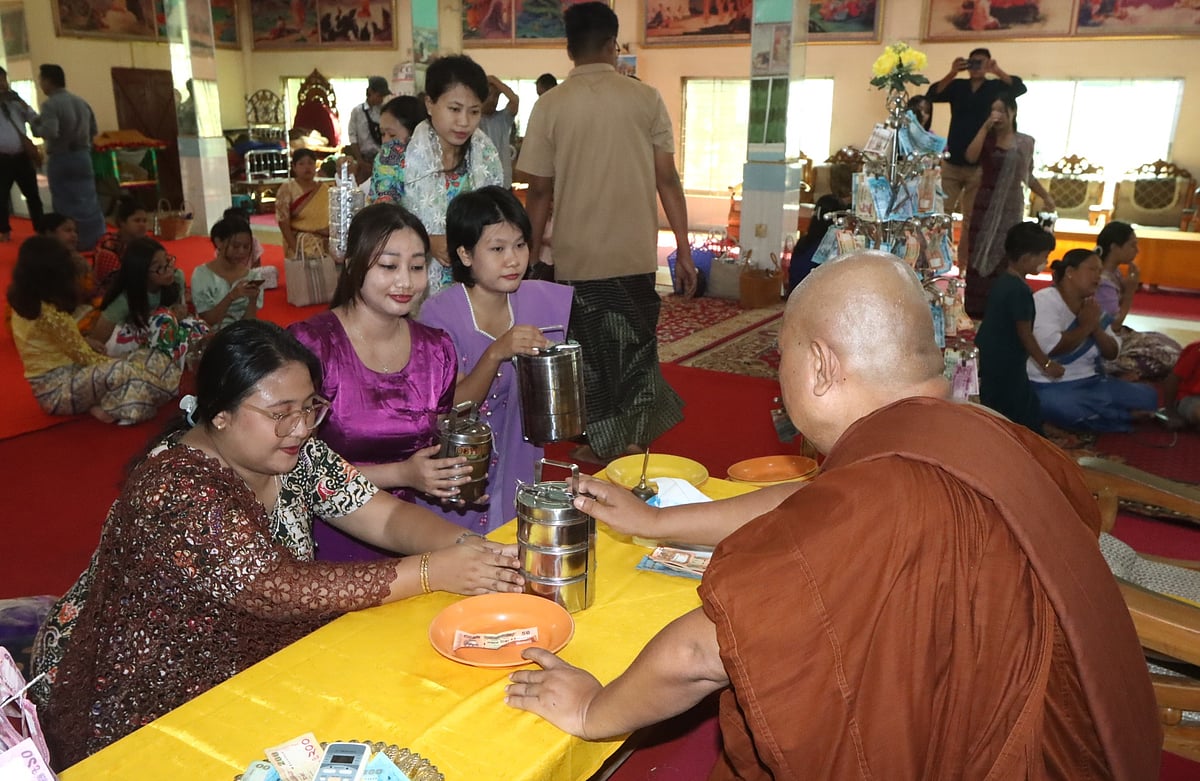
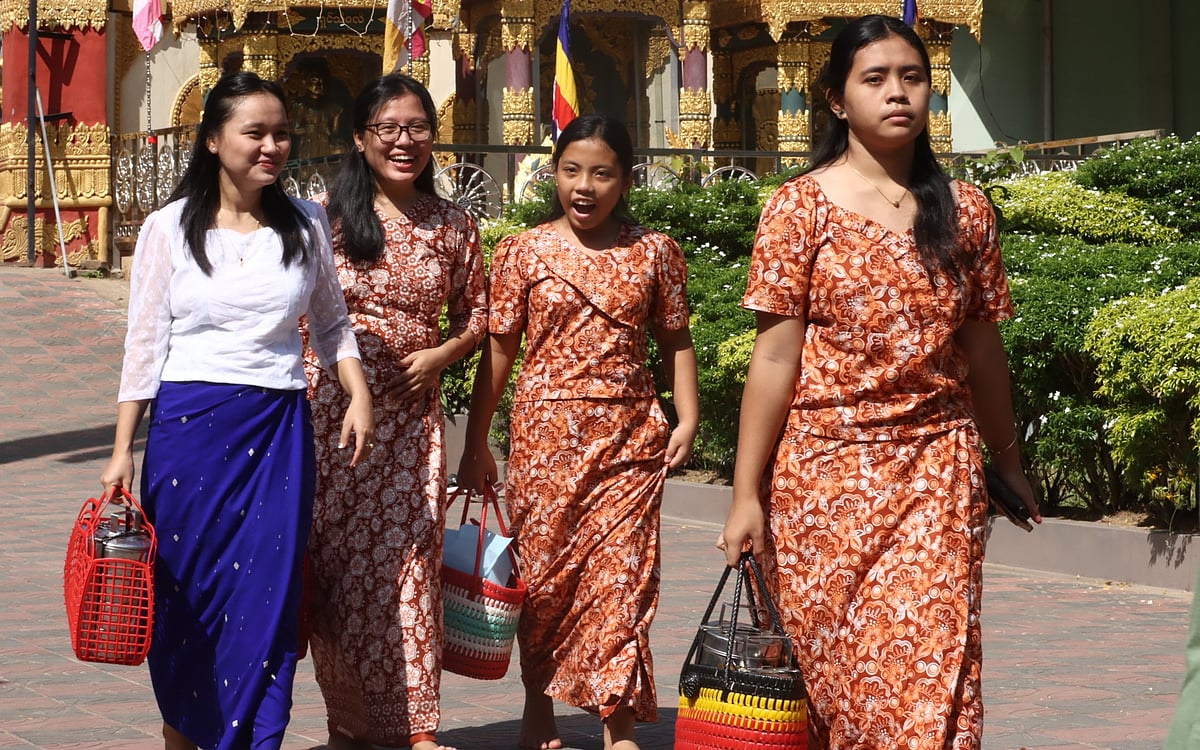
From early morning, Buddhist monasteries (viharas) resonated with prayers seeking peace and well-being for humanity. Devotees offered flowers, cash, and food alms (soing) to the monks. According to Buddhist tradition, Probarona Purnima is celebrated on the auspicious full moon day marking the end of the three-month monsoon rains retreat (vassa). Photo taken by Mong Hai Sing Marma.Mong Hai Sing Marma