

Your song was used in a video shared by the Malaysian Prime Minister. When and how did you first learn about it?
Mehrnigor Rustam: At first, I didn’t pay much attention, but then I noticed that so many people were tagging me under this video. When I checked it, I realised they were using my song in serious political videos. It honestly gave me goosebumps.
I’m so proud that our song is being used even in such meaningful content. Even Habib sent me this video on Instagram today. I was so happy to see it. I even told him that we definitely need to do another collaboration together.
How did you feel hearing your song in a video featuring the two prime ministers?
Mehrnigor Rustam: It was an incredible honour and a very meaningful recognition for me. I felt truly proud and deeply grateful. Seeing our song in such an important video. What makes me even happier is that our native language, Farsi, was heard in such a significant moment.
To me, it shows that this song has found a place in people’s hearts and that music can connect people beyond borders. That means everything to me.
Did you know beforehand that your song would be used in the video?
Mehrnigor Rustam: No, I had no idea. It honestly came as a very pleasant surprise. I was truly happy and honoured. What makes me even happier is seeing that this song has become loved by people from different countries and cultures.
'Moha Jadu' is reaching an international audience. How does that make you feel?
Mehrnigor Rustam: I truly feel that all our hard work was worth it. When I flew to Bangladesh, we spent ten days there working on this project. It was during Ramadan, so we were fasting, and we filmed from early morning until late at night.
It wasn’t easy. Today, we’re finally seeing the fruits of our hard work, and I’m incredibly grateful for that.
How much has ‘Moha Jadu’ changed your career?
Mehrnigor Rustam: This collaboration has been incredibly valuable for me, both professionally and personally. It was a huge honour to work with Habib Wahid. I’m deeply grateful to the people who believed in me, discovered my music, and gave me this amazing opportunity.
I’m especially happy that this collaboration turned out to be meaningful for everyone involved. It brought our cultures together through music, and I think that’s the most beautiful outcome we could have hoped for.
I honestly never expected to receive so much love from the Bangladeshi people. Their warmth and support touched my heart in a way I can’t fully describe.
What was your experience like working with Habib Wahid?
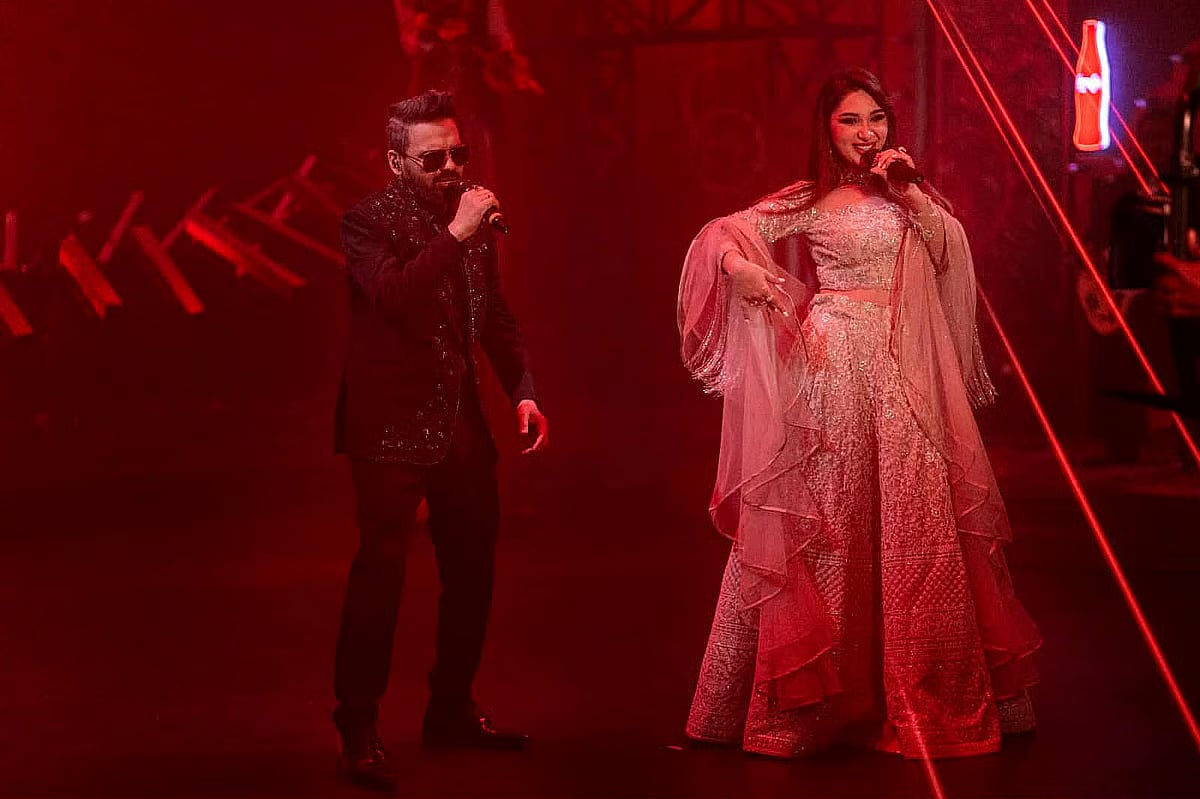
Mehrnigor Rustam: It was an absolute pleasure working with him. Habib is an incredibly talented artist whose knowledge and understanding of music seem limitless. Working with someone like him is a learning experience in itself you always discover something new.
Beyond his talent, he’s a very kind, humble, and friendly person. He created such a positive atmosphere that working together felt effortless and enjoyable.
How was your first visit to Bangladesh? Where did you go and what foods did you try?
Mehrnigor Rustam: Honestly, I didn’t get to see much beyond the studio, the filming locations, and the hotel, because it was Ramadan and we were fully focused on the project. I was very busy the whole time.
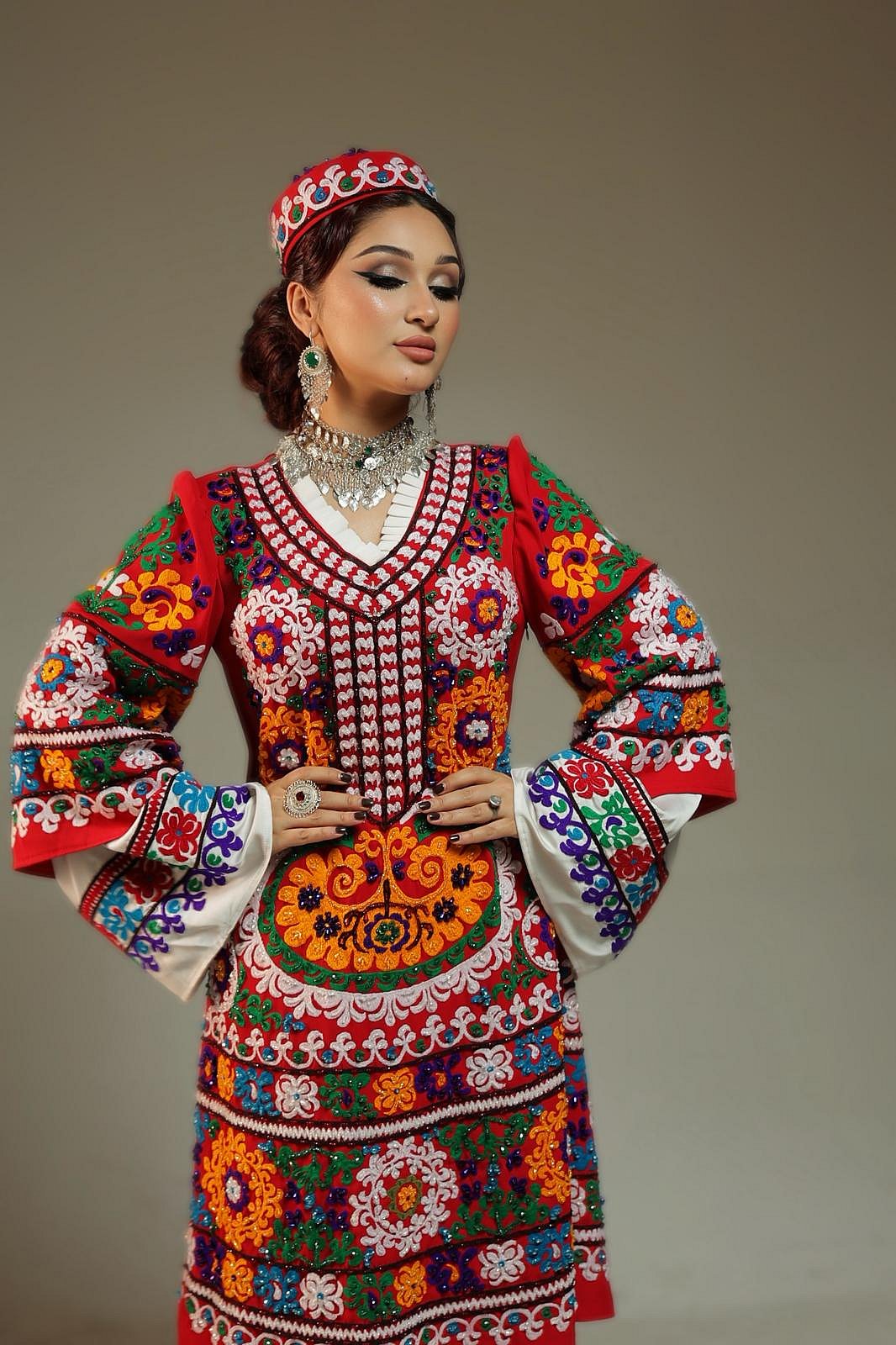
But whenever I had a little free time, I went shopping for myself and even got some traditional outfits they actually suited me really well. I also tried the local food, which was very delicious. It was a bit spicy, similar to Indian cuisine, but I really enjoyed it.
Overall, everything was beautiful and very well-organized. I only have positive impressions from this experience. I truly hope to come back again someday
How much did you know about Bangladeshi music before coming here?
Mehrnigor Rustam: Honestly, I didn’t really listen to Bangladeshi music at all. I only knew one song, Jochona korche ari and my teacher in Tajikistan once teach me that song. Other than that, I didn’t know almost nothing about Bangladesh.
We visited Ahsan Manzil, Old Dhaka and LalbaghWill we hear you in more Bangla songs in the future?
Mehrnigor Rustam: If I am invited again by experienced music producers, I would gladly accept and collaborate, because I don’t want to lose this connection I have. The people in Bangladesh welcomed me as one of their own and truly appreciated my performance.
I would love to continue working and even create songs in Bangali. I feel inspired to explore more and keep building this beautiful connection through music.