

There have been a lot of public conversations and concerns often raised over the growing plastic pollution in the country. Finally, in August, the Ministry of Environment, Forest and Climate Change introduced the Extended Producer Responsibility (EPR) Guidelines on Plastic Waste Management.
This month the National Plastic Action Plan Partnership (NPAP) has been launched by the environment, forest and climate change ministry in collaboration with the United Nations Development Programme (UNDP) and the World Economic Forum's Global Plastic Action Partnership (GPAP). These are certainly important steps to manage plastic waste and eliminate plastic pollution through unified national action.
In a country of more than 170 million people, plastic pollution cannot be tackled by the government alone. It is not realistic to expect the government to manage plastic waste across every village, town, and city. The only solution is for everyone to participate and contribute. The guidelines mark an important shift in how responsibility for plastic waste is shared.
Plastic pollution and responsible waste disposalSustainable progress will require collective action from producers, consumers, and local communities. By channeling producer funding into building and empowering community-based waste management systems, the EPR framework, if compliance is ensured, has the potential to strengthen grassroots recycling efforts and deliver lasting environmental impact.
Globally, there is now a growing acknowledgement that reducing plastic pollution requires collective responsibility. Every individual, institution, and sector has a role to play. This new framework will play a significant role in expanding waste collection and recycling infrastructure, formalising the informal waste collection sector and developing a circular economy of plastic waste.
Government agencies provide regulations and public infrastructure, but long-term sustainability requires civic ownership. Proper waste management is a shared societal duty; every household, shopkeeper, and community member generates waste and must play an active role in its lifecycle.
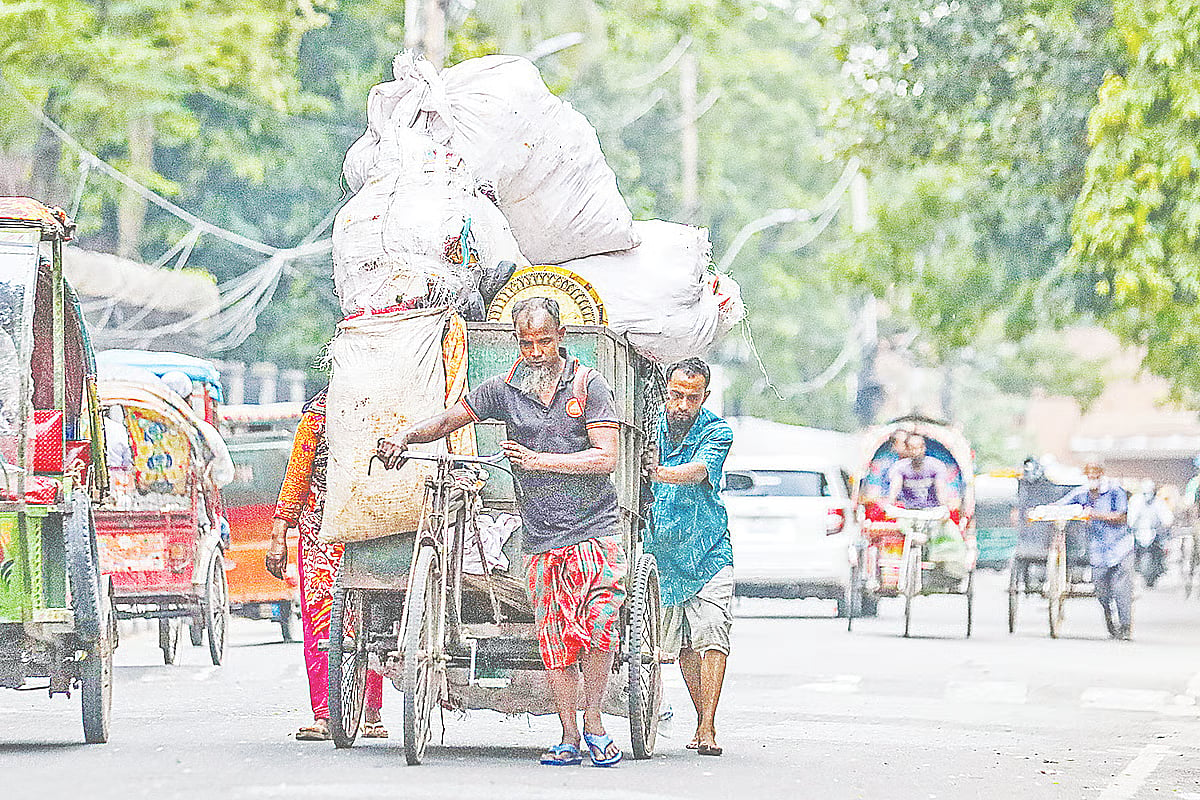
The framework holds producers, brand owners, and importers accountable for post-consumer waste, setting mandatory collection targets starting at 15 per cent and scaling up to 30 per cent. Under the new guidelines, waste being collected directly by municipal bodies cannot count toward a company’s compliance target. This obligates businesses, either individually or through collective Producer Responsibility Organizations (PROs), to build distinct, verifiable collection channels. Rather than duplicating infrastructure, producers should channel compliance capital straight into neighborhood-level systems.
So how do we ensure that everyone is engaged and actively contributing to tackling this growing crisis? Research shows that people are far more likely to adopt environmentally responsible habits when they see others around them doing the same.
In both urban and rural areas, communities and societies are organised around mosques, making it a powerful platform for awareness and collective action
We have often seen that there is not enough social pressure to act sustainably. It indicates that we have to build strong, motivated communities that are inspired to act and address this issue in their respective area.
When communities become confident, organised, and inspired, they can drive the kind of collective change that no policy alone can achieve. There are already examples of community actions funded by corporate brand owners that are making significant changes in our country. We need to fund more of such initiatives under the new framework.
We know that plastic pollution is not only a national challenge, it is a global crisis. If we can engage our educated youth in grassroots campaigns, community mobilisation, and waste management, it is not just beneficial for local communities—it opens pathways to professional opportunities with international relevance. Global initiatives increasingly prioritize community driven approaches, social norm shifts, and behavior change strategies as essential tools for tackling plastic pollution. These are the same skills young people can develop through grassroots environmental work in Bangladesh.
With this new framework, community based initiatives can be empowered and can play a highly influential and sustainable role. In both urban and rural areas, communities and societies are organised around mosques, making it a powerful platform for awareness and collective action.
One point we have to note that currently a large share of plastic bottles and other items that have post-consumer commercial value are being collected and processed, though the system needs to be formalized. The crisis is being exacerbated by the various food packaging and thin single use polyethene that have no post-consumer recycle value. Only community-based approaches can tackle this.
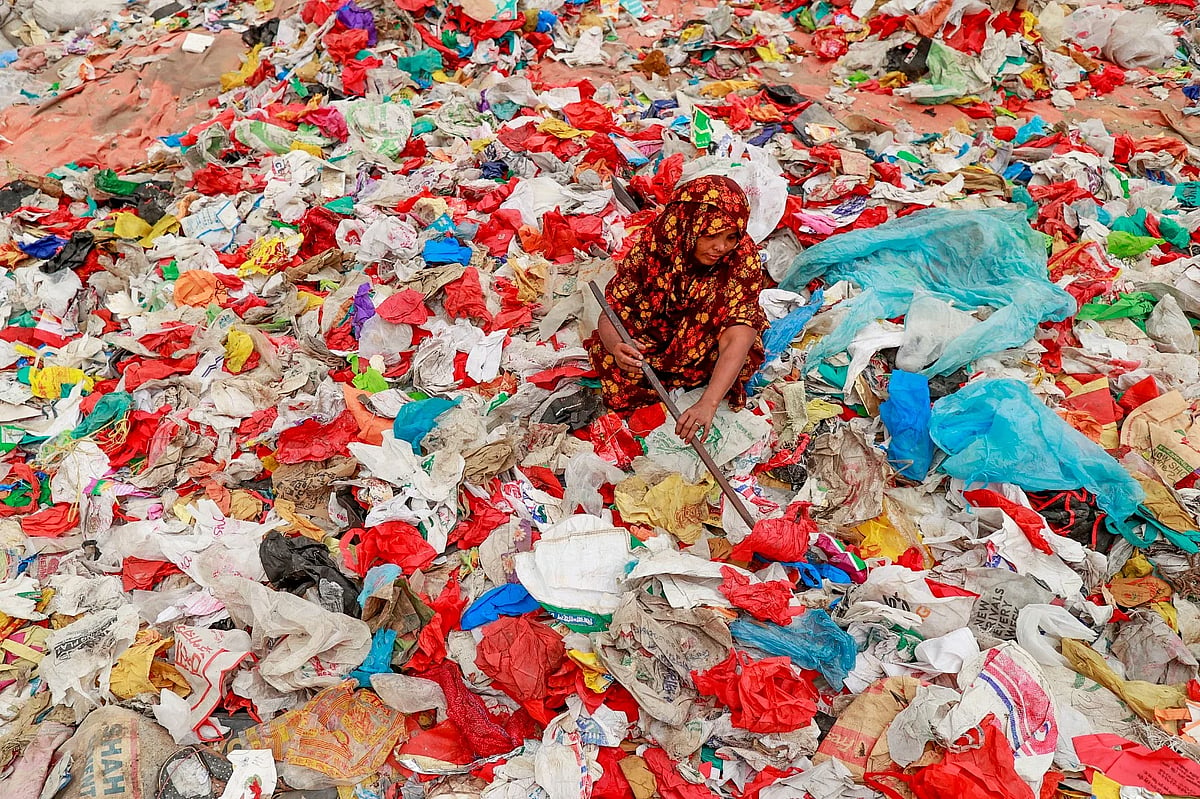
Having an active system for segregating, collecting and managing daily waste is a bigger part of building healthier and more resilient community. If communities are empowered with knowledge, training, and incentives under the new EPR rules, local youths are far more likely to participate because they will be the immediate beneficiaries.
A major obstacle to tackling plastic pollution is the country's limited waste management capacity. The EPR guidelines offer a practical pathway to address this gap by investing in community-led collection, sorting, and recycling networks. Combined with sustained local engagement, these efforts can foster greater public participation and encourage more responsible waste disposal practices.
However, the success of the EPR framework will ultimately depend on effective compliance and accountability mechanisms. One key concern has been already highlighted that a uniform compliance structure may disproportionately affect micro, cottage, and small enterprises, which often lack the resources available to larger companies. Future work can be on how these gaps can be minimised and made it more practical for all involved.
* Parvez Uddin Chowdhury is a development worker and climate enthusiast.

