

The government has declared Prime Minister Tarique Rahman’s residence at house no. 196 in Gulshan, Dhaka, a 'Special Category' Key Point Installation (KPI).
As a result, the property will now come under enhanced security arrangements, and authorities will enforce certain restrictions in and around the premises to ensure its protection.
The government has already issued an official gazette notification to this effect.
According to relevant sources, the monthly meeting of the Key Point Installation Defence Committee (KPIDC) on 7 June recommended including the Gulshan residence in the 'Special Category' under the KPI Security Policy. Following government approval, the authorities issued the gazette notification on 16 June.
During the Awami League administration, Ganabhaban served as the Prime Minister's official residence. Following the student-led mass uprising that brought down the government of Sheikh Hasina on 5 August 2024, protesters entered Ganabhaban and carried out extensive vandalism.
The then interim government subsequently decided to convert Ganabhaban into the "July Mass Uprising Memorial Museum". Construction work on the museum has now been completed, and it is awaiting inauguration. Consequently, Ganabhaban is no longer available as the Prime Minister's residence.
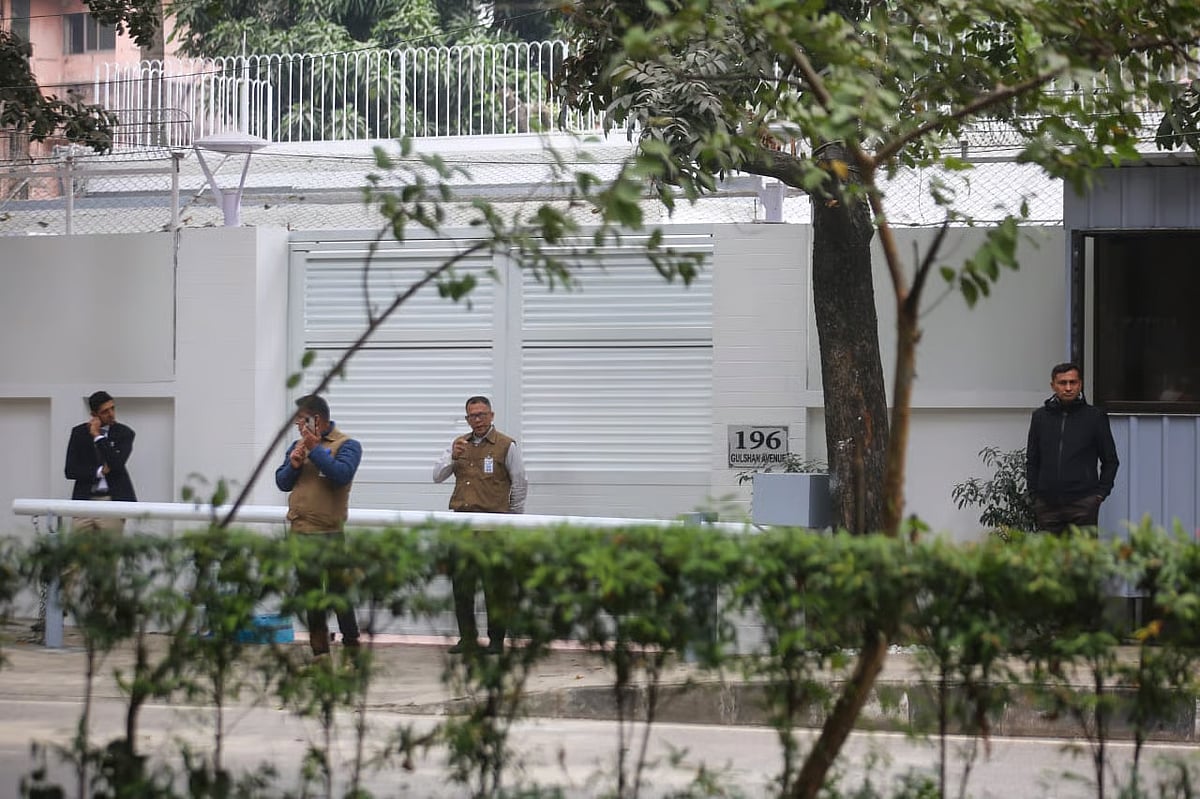
After BNP Chairman Tarique Rahman returned to Bangladesh on 25 December last year, he moved into House no. 196 in Gulshan.
According to information regarding the property's ownership, following the assassination of then President Ziaur Rahman on 31 May 1981, the residence, built on approximately one and a half bighas of land in Gulshan, was allocated to his wife, Khaleda Zia.
However, the property had not been officially registered in her name. After the interim government assumed office, the authorities completed the transfer of ownership to Khaleda Zia on 5 June last year. The residence was subsequently renovated and modernised.
After winning the 13th National Parliamentary Election held on 12 February and becoming Prime Minister, Tarique Rahman has continued to conduct official government business from the same residence.
Although the state guest house Jamuna remains available for official purposes, he does not reside there permanently. For this reason, the government has brought the Prime Minister's residence under the KPI framework as part of its security arrangements.
What is KPI?
Bangladesh has numerous government buildings, many of which are considered important facilities. However, the term Key Point Installation (KPI) has a specific meaning under the KPI Security Policy.
The policy defines a KPI as a facility or infrastructure whose security is of particular importance to the state. In other words, a KPI is a facility whose damage or destruction could seriously undermine the country's defence capability, wartime preparedness or economic strength.
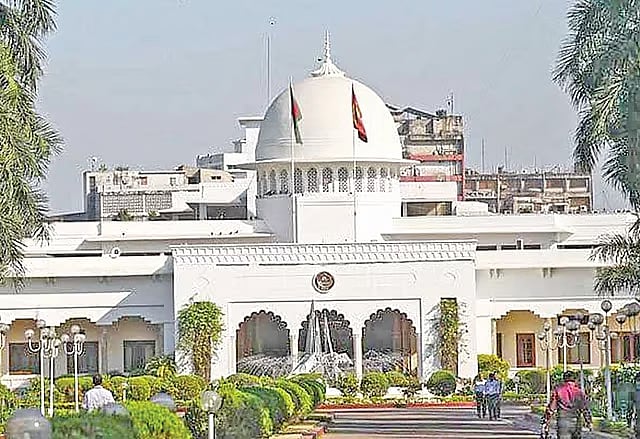
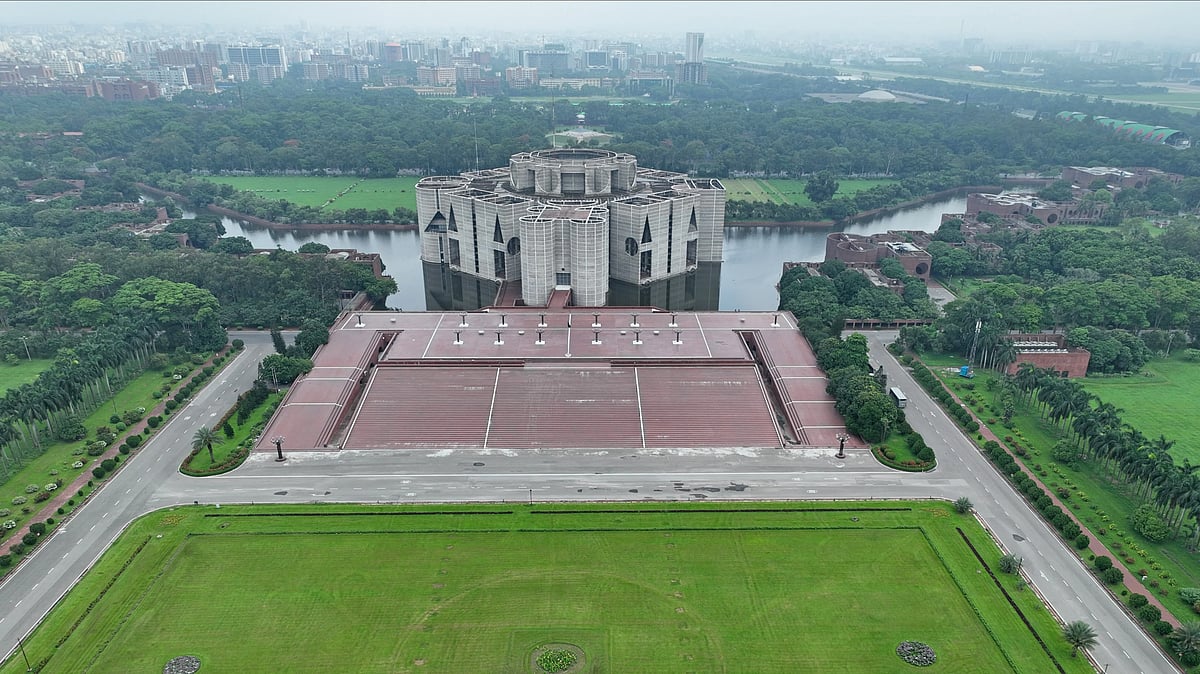
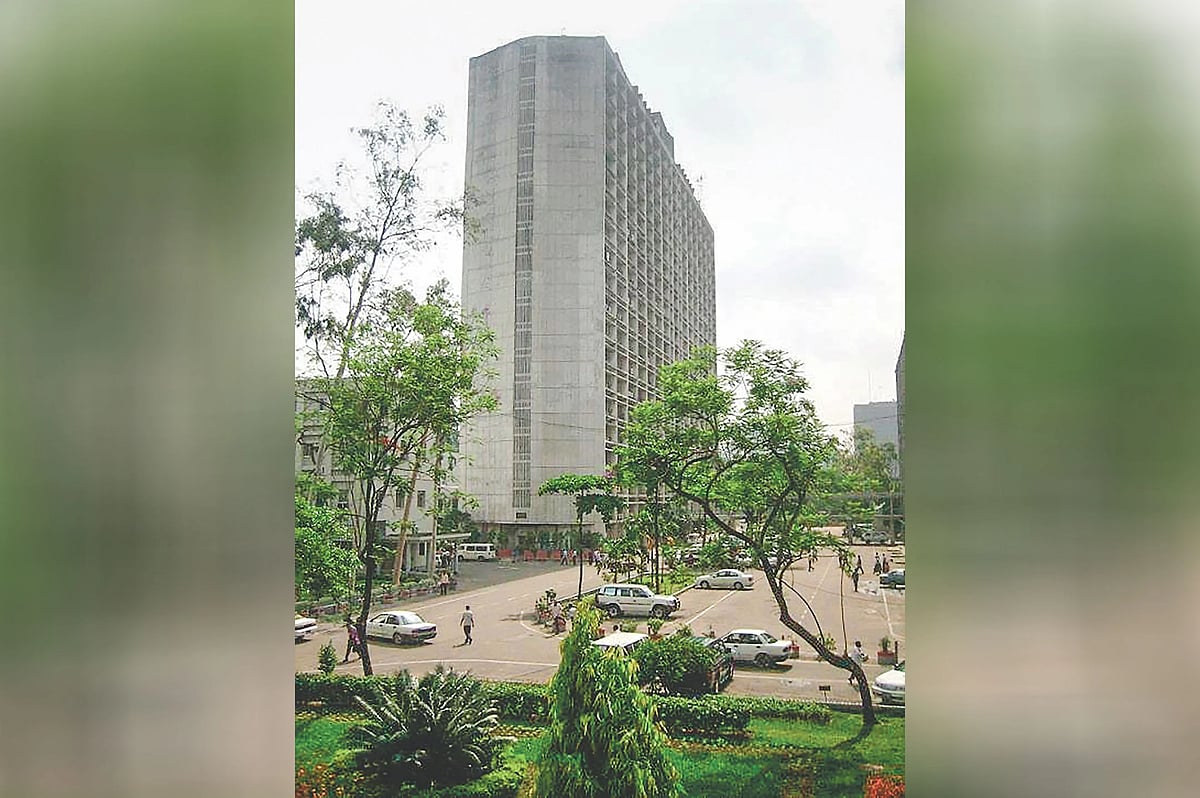
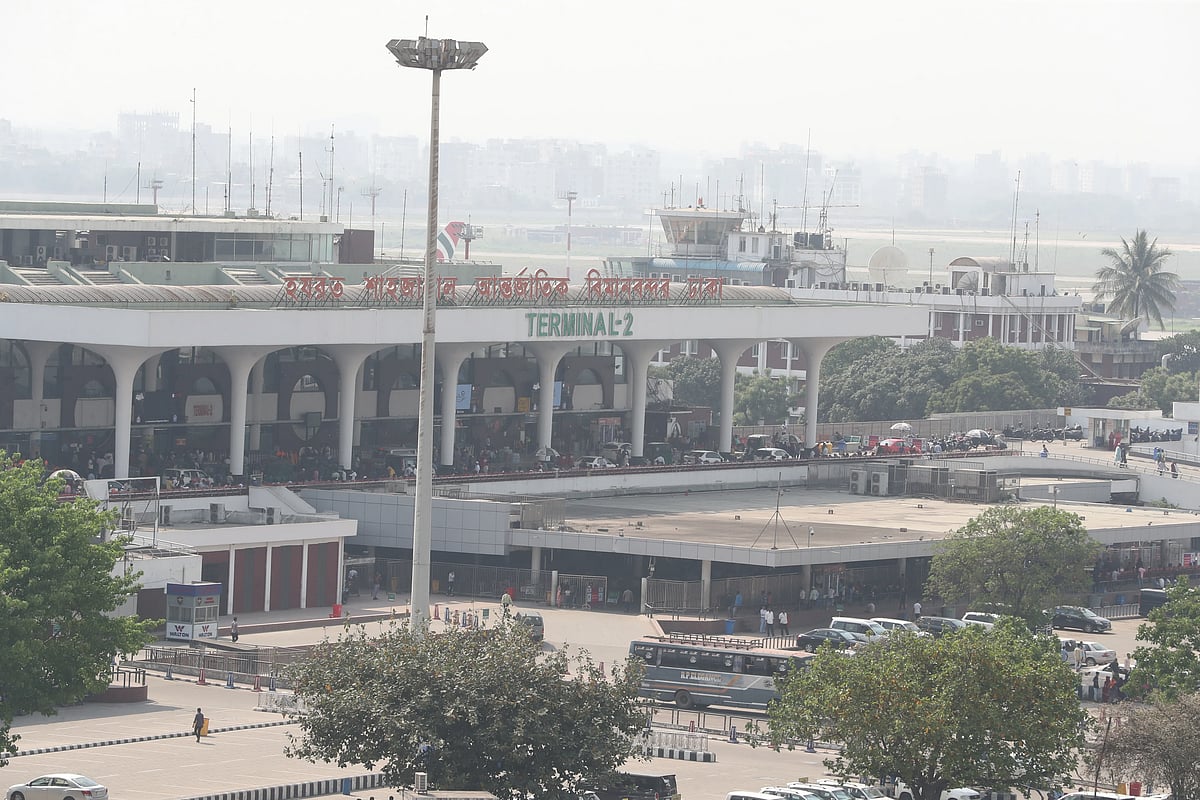
Facilities such as Bangabhaban, the Bangladesh Secretariat, the Jatiya Sangsad (National Parliament), airports and power plants are included on the list of KPIs.
Who decides whether a facility becomes a KPI?
The Ministry of Home Affairs designates facilities as KPIs in accordance with an established policy framework.
Bangladesh first introduced the Instruction for Security of KPI in Bangladesh in English in 1997 to ensure the security of KPIs. The government later revised the policy and issued the KPI Security Policy 2013 in Bengali.
Under this policy, the Key Point Installation Defence Committee (KPIDC) recommends the inclusion or removal of facilities from the KPI list, as well as improvements to their security standards.
In addition, each administrative division has a KPI Survey Committee, while city areas have a separate survey committee.
What happens when a facility is declared KPI?
The government primarily designates facilities as KPIs to protect them from sabotage, terrorist attacks and other destructive activities. Once a facility receives KPI status, the authorities introduce additional security measures both inside and outside the premises.
Regarding general security arrangements applicable to all categories of KPIs, the policy states that each installation must have a designated or appointed officer responsible for security. These officers must ensure the prompt implementation of all instructions relating to KPI security.
What security measures apply to KPIs?
Under the policy, authorities must separate high-risk areas from the general areas within a Key Point Installation (KPI). They must strictly control entry to and exit from these high-risk zones.
Before employing contract workers at KPI facilities, the authorities must verify their identities through the local police or the Special Branch (SB). In special cases, the authorities will also closely monitor the movements and activities of foreign nationals working at KPI facilities.
The policy further states that every KPI must have a secure perimeter enclosed by a strong wall or fence. Authorities must ensure adequate lighting at night and, depending on the category of the installation, deploy armed guards to control access to and from the premises.
They must also prevent the construction of any unauthorised structures within KPI areas and put in place adequate protective measures against natural disasters.
For all KPI categories except the Special Category, specialised police units must provide security, while the authorities responsible for the facility must bear all related policing costs.
Which installation fall under special category?
KPIs are divided into several categories, one of which is the Special Category. According to the policy, the offices and official residences of the Head of State and the Head of Government qualify as Special Category KPIs.
The policy itself serves as the security policy governing Special Category KPIs. Prime Minister Tarique Rahman's residence in Gulshan has now been designated as a Special Category KPI.
The operations and services of Special Category KPIs are considered the most critical to the country's national interests and defence capability.
Any destruction of or damage to such facilities could seriously undermine national security, defence preparedness and the national economy.
What security arrangements apply to special category KPIs?
The authorities ensure the overall security of a Special Category KPI through four key areas: the premises, officers and employees, information and documents, and miscellaneous security matters.
To oversee these arrangements, the authorities will form a security committee coordinated by the Special Security Force (SSF).
The policy states that the boundary wall surrounding a Special Category KPI must be 12 feet high, with an additional 3-foot Y-shaped barbed-wire fence on top.
A 33-inch reinforced cement concrete (RCC) barrier must also run alongside the boundary wall as an additional protective obstacle.
Authorities will monitor nearby high-rise buildings from which photographs could be taken or from which the installation could fall within the range of firearms.
Regarding the security of the residence and its surrounding grounds, the policy states that, in the interest of security, no building or structure may be constructed within 25 metres of the boundary wall.
However, subject to approval, the authorities may permit the construction of a building or structure of up to one storey within that area.
No building taller than two storeys may be constructed within 150 metres of the boundary wall. For any building exceeding 25 feet in height within 150 to 300 metres of the boundary wall, developers must first obtain the opinion of the Key Point Installation Defence Committee (KPIDC).
In the case of Bangabhaban, Ganabhaban, the Prime Minister's Office, and the Prime Minister's official residence, anyone seeking to construct a building taller than 8.75 metres within a 500-metre radius must obtain not only the opinion of the KPIDC but also security clearance from the Special Security Force (SSF).
Authorities must clear all trees and vegetation within 5 feet on both the inside and outside of the boundary wall. They must also remove any electric light poles or telephone poles located within that area.
Intelligence agencies will closely monitor areas 30 metres or more from the boundary wall to prevent anyone from constructing tunnels for sabotage or other destructive activities.
Special Category KPI facilities must have as few entry points as possible. If operational requirements necessitate multiple entrances, the authorities must seal and keep them closed when they are not in use.
They must also install barbed-wire barriers at entry points in a manner that prevents anyone from climbing over and entering the premises.
Authorities may not construct high-voltage power lines or flyovers above a Special Category KPI. They must ensure adequate lighting in parks, buildings and roads adjacent to the installation, while security personnel must maintain round-the-clock guard duty.
The offices and official residences of the Head of State and the Head of Government will also be designated as No-Fly Zones.
The policy further states that, to strengthen intelligence surveillance, the authorities must establish an Intelligence Cell comprising specially trained personnel from the National Security Intelligence (NSI), the Directorate General of Forces Intelligence (DGFI) and the Special Branch (SB).
The cell will provide security-related intelligence to the Special Security Force (SSF).
Regarding internal security, the policy states that the authorities must deploy an adequate number of Presidential Guard Regiment (PGR) personnel to ensure comprehensive protection. In addition, specially trained police officers will also remain on duty.
The authorities must establish guard towers 15 to 20 feet high near the boundary wall. Armed security personnel equipped with binoculars will be stationed at these towers, while security teams will conduct patrols day and night.
Visitors will receive entry passes before being allowed access. Security screening will take place at the gates, and no one may take photographs or record videos within the area without prior authorisation.


